
By Anne D’Urso-Rose
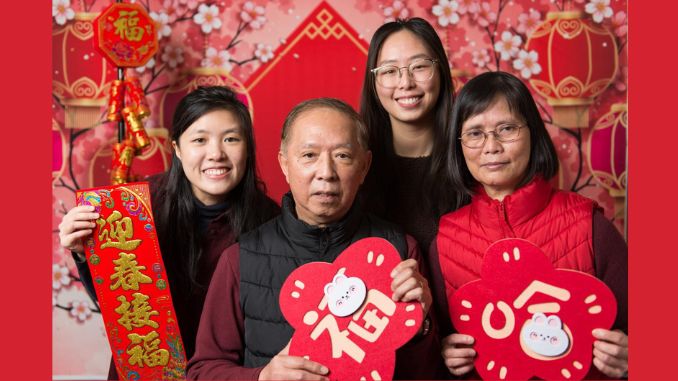
For many Malden community members, Lunar New Year is marked not only by public festivities — fireworks, lion dances, street parades and community events — but by deeply rooted personal traditions that connect across generations. Locals shared their stories and reflections with Neighborhood View.
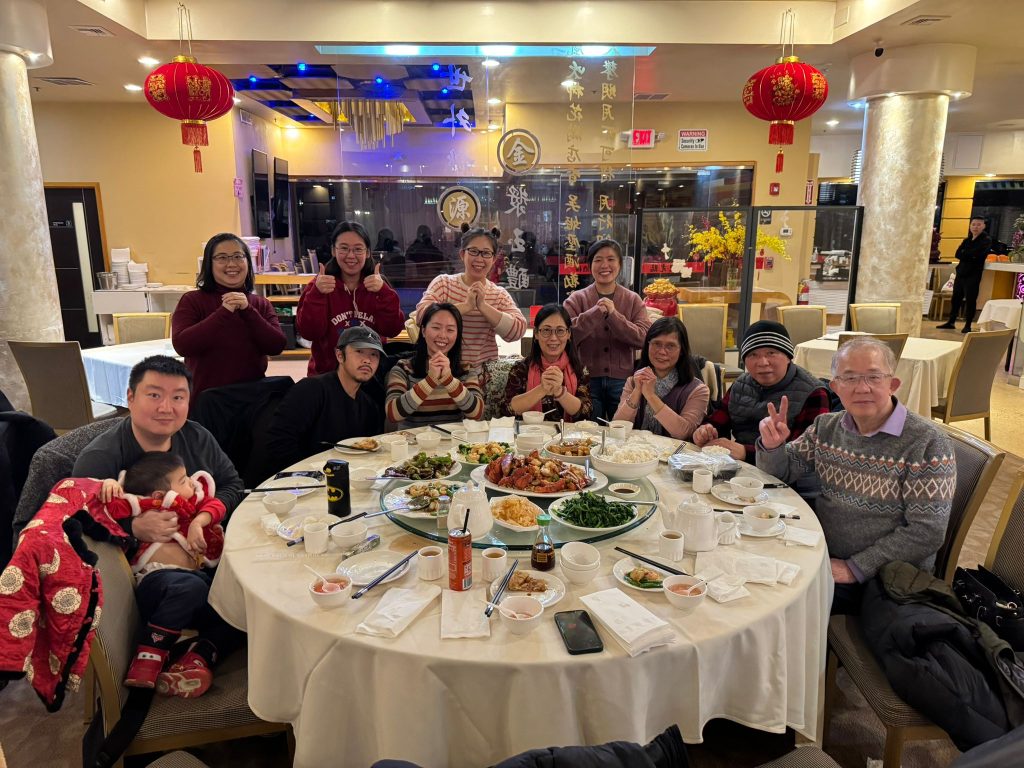
Malden resident Yu Sin Mok gathers every Lunar New Year with relatives who are scattered around the Greater Boston area, some as far away as Haverhill.
Usually, they convene at a cousin’s house in Revere. Family members cook an array of traditional foods, many considered “auspicious,” according to Mok.
“Long noodles means long life. So we eat noodles,” Mok said. “And shrimp, in Cantonese, it’s ‘ha’ (蝦) and it sounds like you’re laughing — haha — so we eat shrimp.”
Mok’s family would bring different kinds of cakes that her dad would make “like turnip cakes, and nian gao (年糕), which is a sweet cake.”
Turnip cakes are savory and made with meat, shrimp, turnip and other vegetables that are first cooked in a wok and then steamed. Her dad would make these Cantonese-style cakes only around Lunar New Year, “which made them really special,” she said.
All of Mok’s relatives in the United States are first-generation immigrants from Hong Kong. Mok’s family was the first to immigrate here, when she was 12 years old.
This year, Mok’s relatives were particularly busy with school and jobs so they gathered two weekends ago at Malden’s Sun Kong restaurant for their annual feast and celebration. Some of the special foods they ate were pre-ordered.
“My aunt ordered this soup — it’s chicken soup with black garlic — in advance because it takes a really long time to cook,” Mok said.
Mina Kim, the Executive Director of the Greater Malden Asian American Community Coalition (GMAACC), is a child of Korean immigrant parents. Kim recalls Lunar New Years growing up in the United States. Like Mok, Kim’s memories center around family and food.
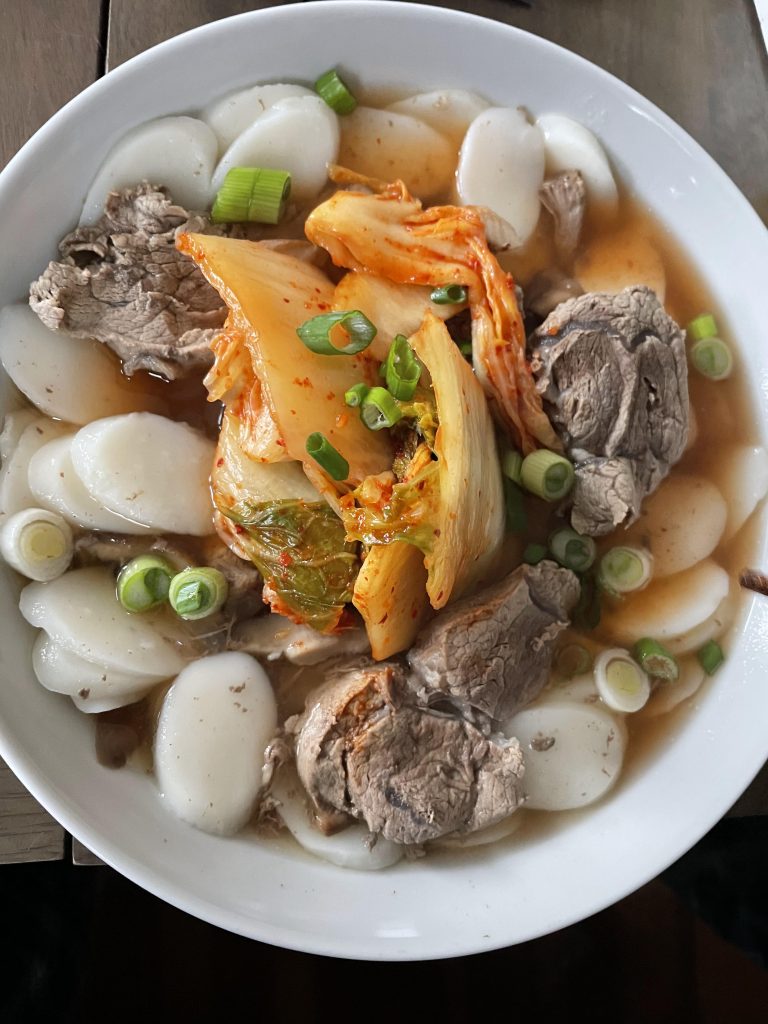
“I feel like food is so important in many cultures” she said, “My memories include eating tteokguk (떡국). The direct translation is ‘rice cake soup.’”
Kim describes sliced rice cakes in a “really good” ox bone broth that is boiled for many hours with garlic and onions. Cooked shredded beef is added, and the dish is served topped with green onions.
“It tastes very cozy and very warm. And the rice cakes are supposed to represent prosperity. So, if you drink the soup, it’s like welcoming another year and welcoming prosperity into your new year,” Kim said.
A cultural link across cultures
“Lunar New Year is the most important holiday for many Asian communities,” said Mai Du. “That includes the Chinese-American community, the Vietnamese-American community and the Korean-American community.”
Du is the founder and Sifu (chief instructor) of the Wah Lum Kung Fu and Tai Chi Academy in Malden and another location in Quincy. Her students and team instructors perform in Lunar New Year celebrations throughout Greater Boston, including museums and school assemblies. Du’s family is ethnically Chinese but immigrated from their home in Vietnam when Du was seven.
“I’m really excited that nowadays it’s known as Lunar New Year because, at one moment in time, people always called it Chinese New Year,” she said. “It’s been great to see that it’s more embraced inclusively, even within the Asian community, as the biggest holiday for their own heritage.’’
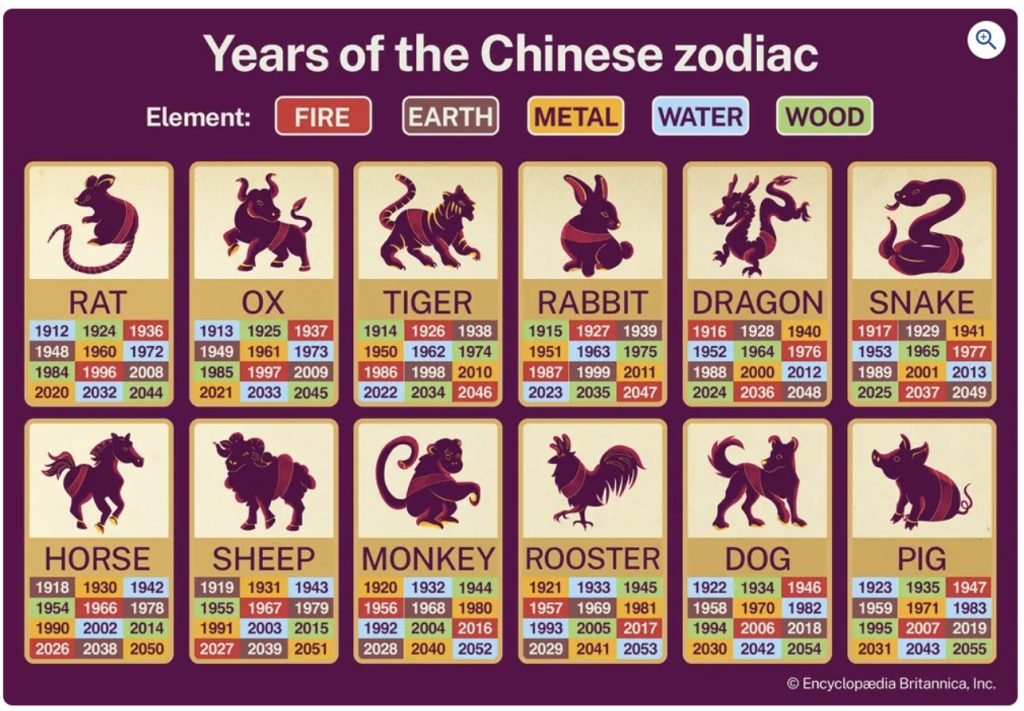
Although it takes place in winter, Lunar New Year is known as the Spring Festival because it marks the end of the coldest part of winter in the Northern Hemisphere and the beginning of spring based on the lunisolar calendar. Each Lunar New Year, the Chinese zodiac assigns one of 12 animals and one of five elements — wood, fire, earth, metal or water — over a 60-year cycle.
This year welcomes in the Year of the Fire Horse, signifying intense energy, passion and rapid transformation.
In Asian countries where the holiday originated, celebrations last for 15 days or more, with rituals closing out the old year and others welcoming in the new.
Good luck for the New Year
“My parents were very old school,” said Diana Jeong, a lifelong Malden resident born at Malden Hospital. Her family was among the first Asian families to settle in Malden; her father, who was of Chinese heritage, was born in San Francisco and moved to Malden after WWII. Her mother later immigrated from Hong Kong. They ran a restaurant called “The Jade” on Pleasant St. in Malden.
“One thing we had to have was freshly killed chicken. Two of them. One to end the old year and one to start the new year,” said Jeong. “So I always had to go to Chinatown and stand in line and buy this freshly killed chicken and then bring it back on the train!’
Jeong explained that in Chinatown, merchants pluck the feathers but leave all the insides because everything is eaten, cooked into all different kinds of dishes.
“The other thing I remember, that’s really old school, is you’re not supposed to wash your hair, you’re not supposed to sweep or clean the house on New Years Day, because you’re wiping away or sweeping away all your good luck,” she said.
Mok’s family tries to follow many of those traditions today, like not washing your hair, wearing red for good luck and not talking about the number four, because it’s associated with death.
“No horror movies on New Years Day,” she laughed. “Because I like to watch horror movies.”
Then there are the red envelopes filled with money, part of nearly every Lunar New Year tradition. Elders give them to children, wishing them good luck, happiness and prosperity.
“I was told that if you get married, that’s when you stop getting them,” Mok laughed. “My scheme is to not get married so I can keep receiving.” She adds, “though I heard you can only get them till a certain age.”
Honoring ancestry
Kim remembers wishing her parents a Happy New Year and doing the traditional deep bow known as sepae (세배). Her family would call her grandmother in Korea, then visit nearby relatives.
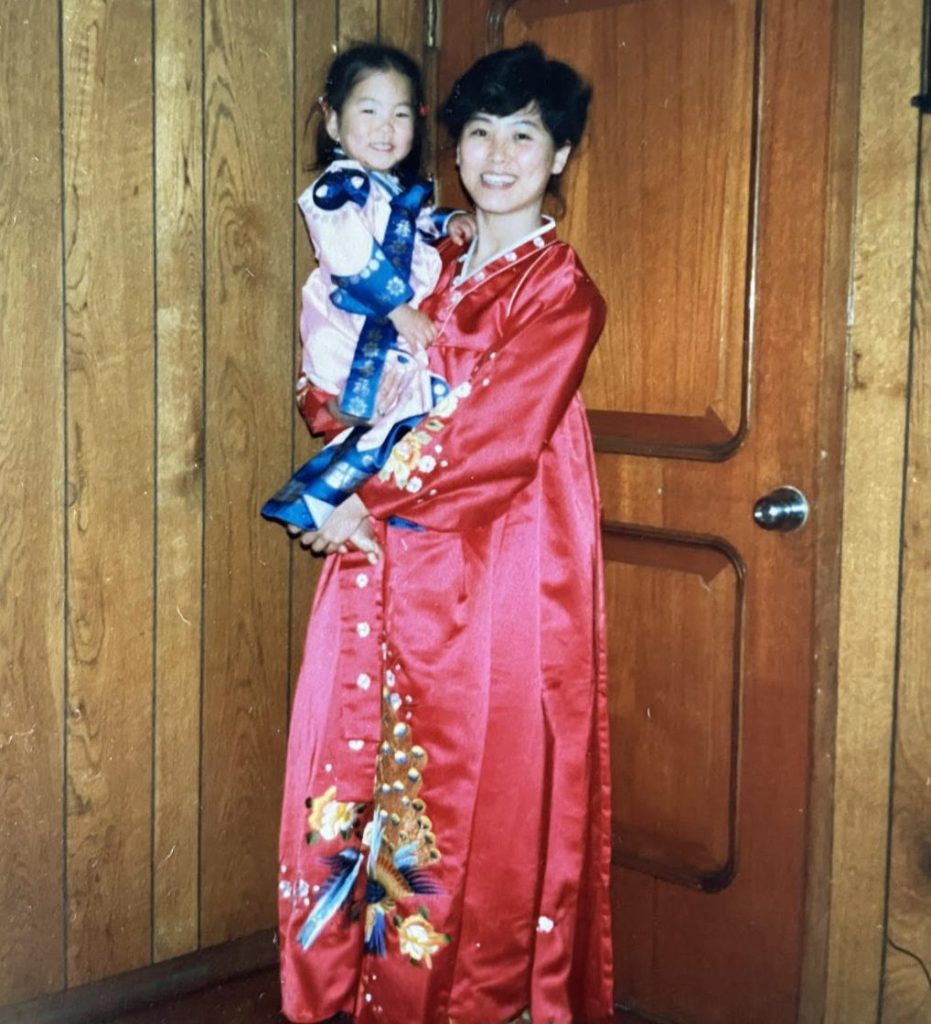
Now as an adult, Kim still carries forward the essence of the traditions she grew up with.
“It’s interesting because when the year ends in December, I usually never feel ready for the year to end. I personally have always felt better, reassured, knowing that the Lunar New Year was coming and I still had time to prepare,” Kim said.
Kim describes the Lunar New Year as a time when she is in a mindset to be more accepting of the change in the year and the transition of time.
“I make tteokguk every Lunar New Year, and share that with my husband, who’s not Korean. And I’ll call my parents, obviously, and try to call my relatives in Korea as well. And I think, more recently, I’ve been thinking more about my family lineage and all the people who came before me and who made me who I am. And so I reserve part of the day to just reflect on that and thank my ancestors for having lived their lives to allow me to live mine,” Kim said.
Spreading and sharing celebration
Wesley Lau is the minister at the Chinese Christian Church of Grace in Malden. Neighborhood View caught up with her at the Feb. 7 Lunar New Year celebration at Malden High School hosted by the Chinese Culture Connection. Lau emphasized the central importance of family gathering at this time, sharing food and being in community.
“Unfortunately, we do not have a holiday here in the United States,” Lau said. “Oftentimes people take time off, just for one day, to come together and hang out, eat, catch up, or things like that.”
She explained that after a Sunday service around Lunar New Year, the church will hold a big potluck feast.
“Then we always have this tradition that we take a family photo for the community, for church members,” she said. “People dress up, wear the traditional Chinese, whatever, gowns and things that they like. So it’s a big thing for us to do that.”
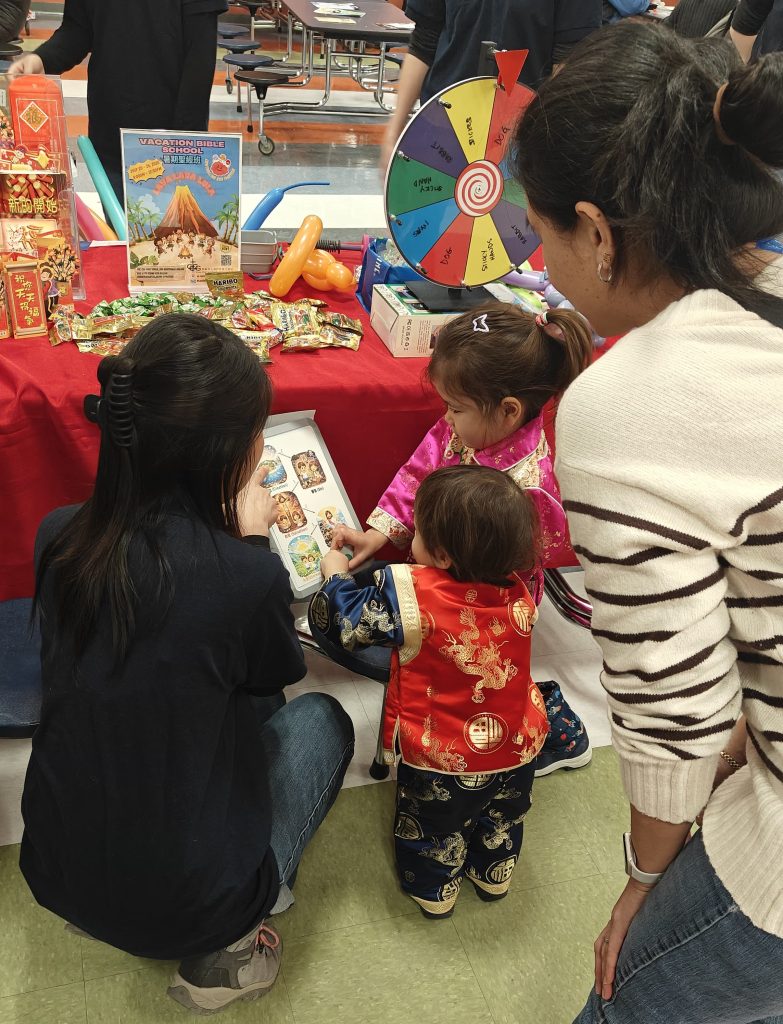
Public celebrations like the annual Lunar New Year event in Malden and the street parade in Boston’s Chinatown bring local Asian families together in community and also expose the wider community to these vibrant traditions.
“I think public celebrations are a really important affirmation for the community to feel that their most important holiday is embraced by the larger community, especially when they get to celebrate it in their traditional ways,” Du said.
For first-generation immigrant students, it’s like a taste of home, according to Du. “And then for second- or third-generation Asian Americans, it’s learning what it means and the heritage and feeling the connection.”
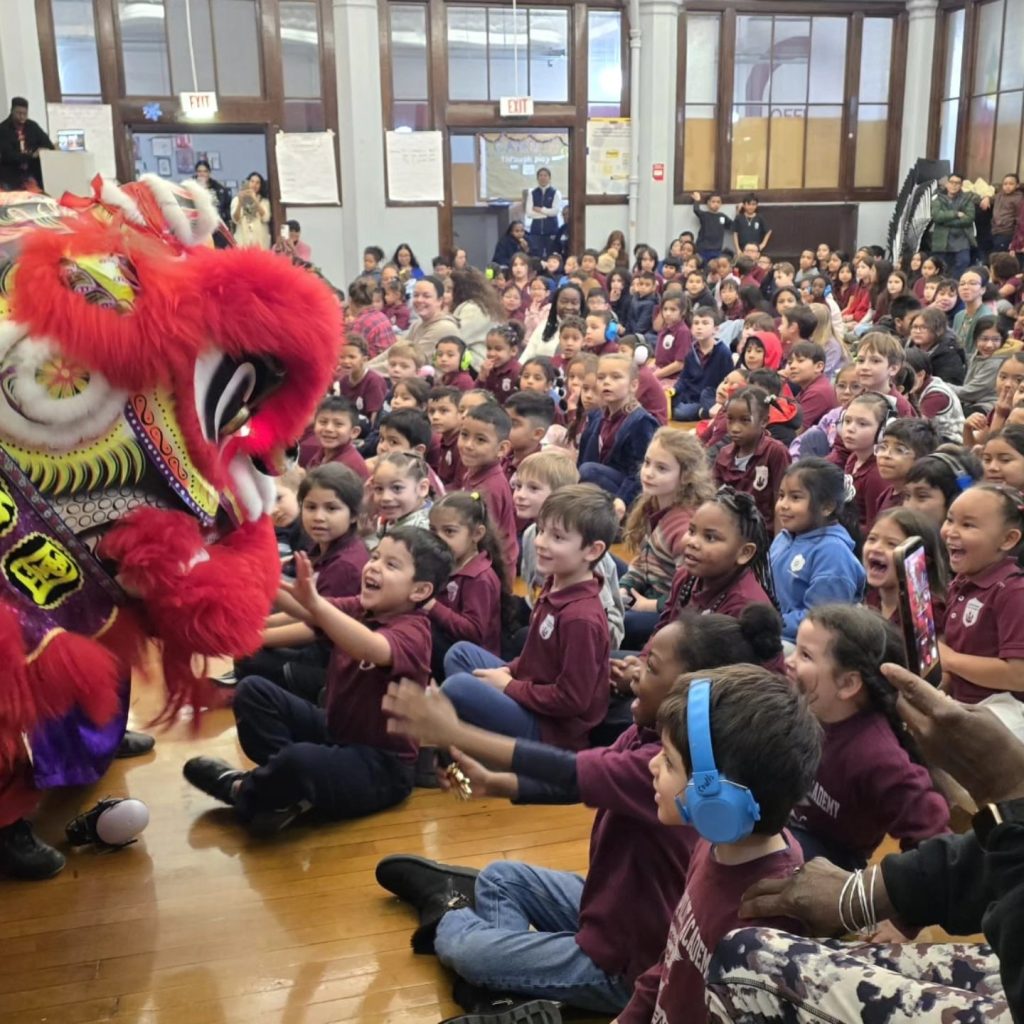
Over the last few years, the Wah Lum Academy has been giving Lunar New Year presentations to thousands of students all over the state. Du and her team perform lion dancing and kung fu, talk about the significance of Lunar New Year and its traditions, get students excited about the zodiac symbol and allow them to ask questions.
“Most importantly, when we go into school spaces where there are Asian Americans, just seeing the faces of these kids, like ‘Oh my gosh. I do that at home,’ and its actually celebrated in my school, and that’s when it’s … like … precious,” Du said.
From all of us here at Neighborhood View, we wish our entire community a happy Year of the Fire Horse!



Happy Lunar New Year to all! I love reading these family stories and learning about traditions carried on through the generations. Thank you, Anne D’Urso-Rose
Thank you! How intriguing about the value of family traditions remembered over the generations. The Lunar New Year dishes are exquisite! Wishing everyone a prosperous Year of the Fire Horse!
Wonderful article. Thank you for sharing.
Great story!