
By Lorna Garey
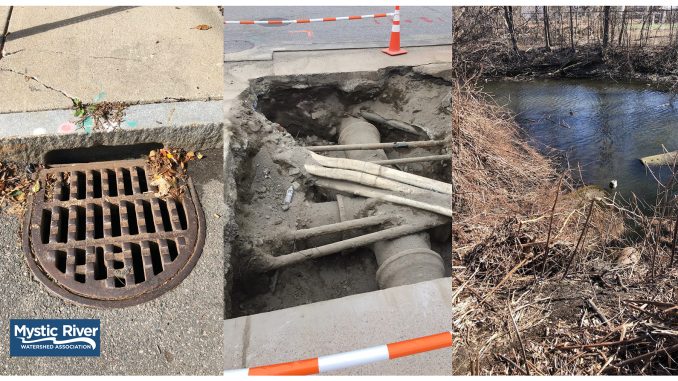
While spring may seem like a distant dream right now, before we know it, snowmelt will be flowing into street storm drains — and with it the flotsam and jetsam of a long, cold winter. To keep waterways clean and help prevent flooding, Malden invites residents to join its Adopt-a-Drain program. By taking responsibility for a nearby storm drain, you can make a direct, positive impact on the health of the environment and your neighborhood.
Bonus: You can name your adopted drain. Current monikers include Chateau Pennywise, Chicken Tendies and Erkelgru.
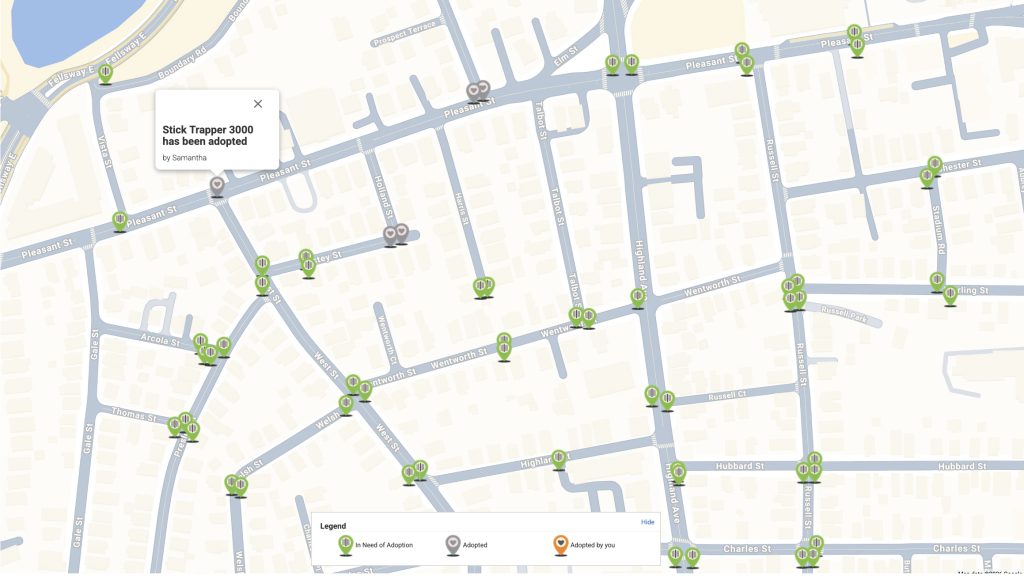
As of this month, Malden residents have adopted 79 drains across the city. You can see which are taken and which are up for grabs at the Adopt-a-Drain program website. With 4,975 drains to keep clear, according to Sushant Bajracharya, an environmental programs specialist who focuses on the Mystic River Watershed, the DPW needs residents’ help — Bajracharya likens it to shoveling out fire hydrants near your home.
“It’s a way to take care of your neighborhood and keep it safe from flooding,” he said. “The program started in Medford and is very popular throughout this entire region.”
In fact, Medford has almost 200 drains adopted, while Somerville has 841.
More water, more runoff
Now is a great time to focus on drainage. As massive snow piles thaw, blocked street storm drains, also known as catch basins, can’t do their jobs, and the resulting flooding can become dangerous black ice overnight. Grabbing a shovel and clearing a grate near your home or workplace is an easy way to help your neighbors as we move toward spring.
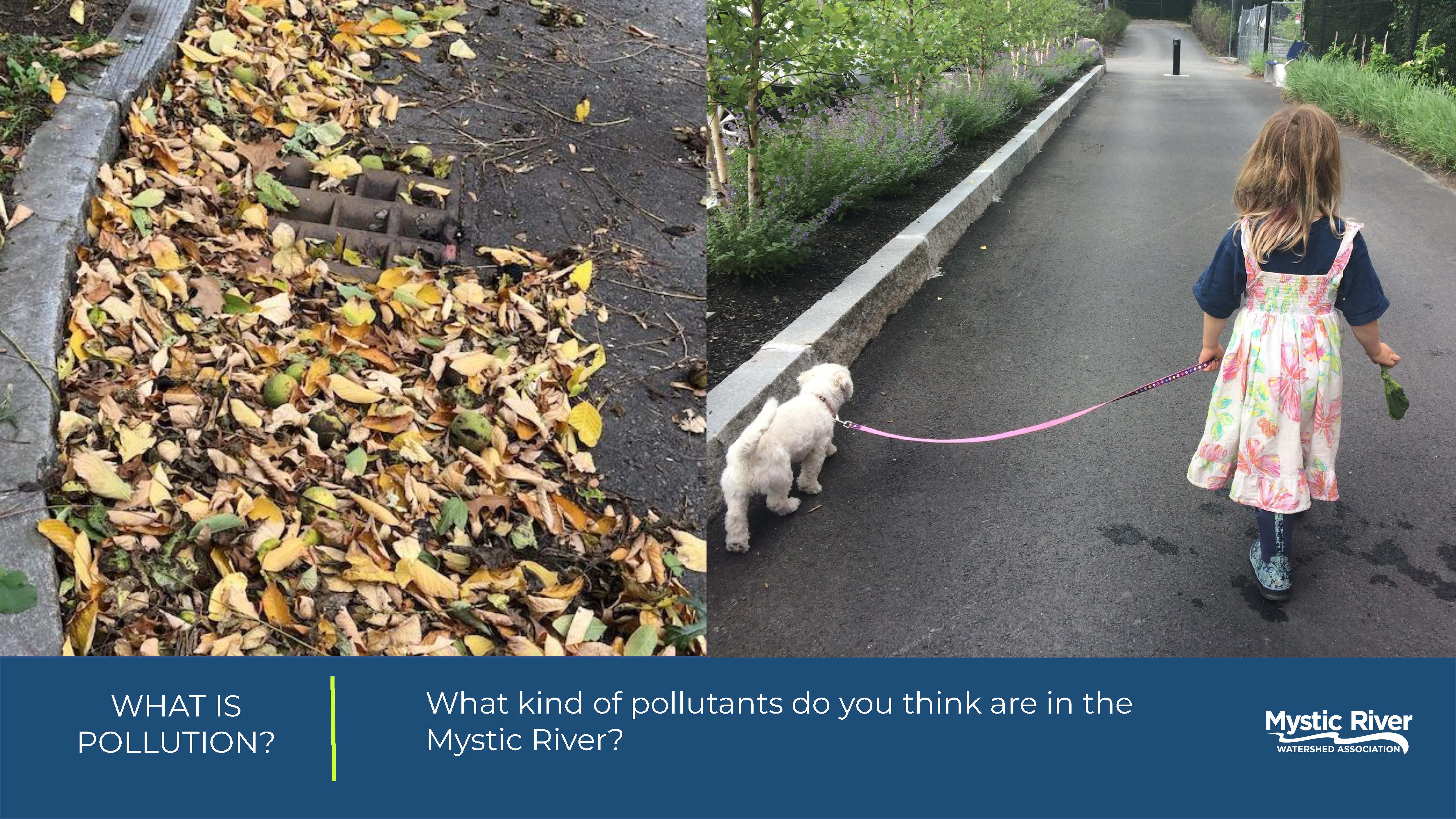
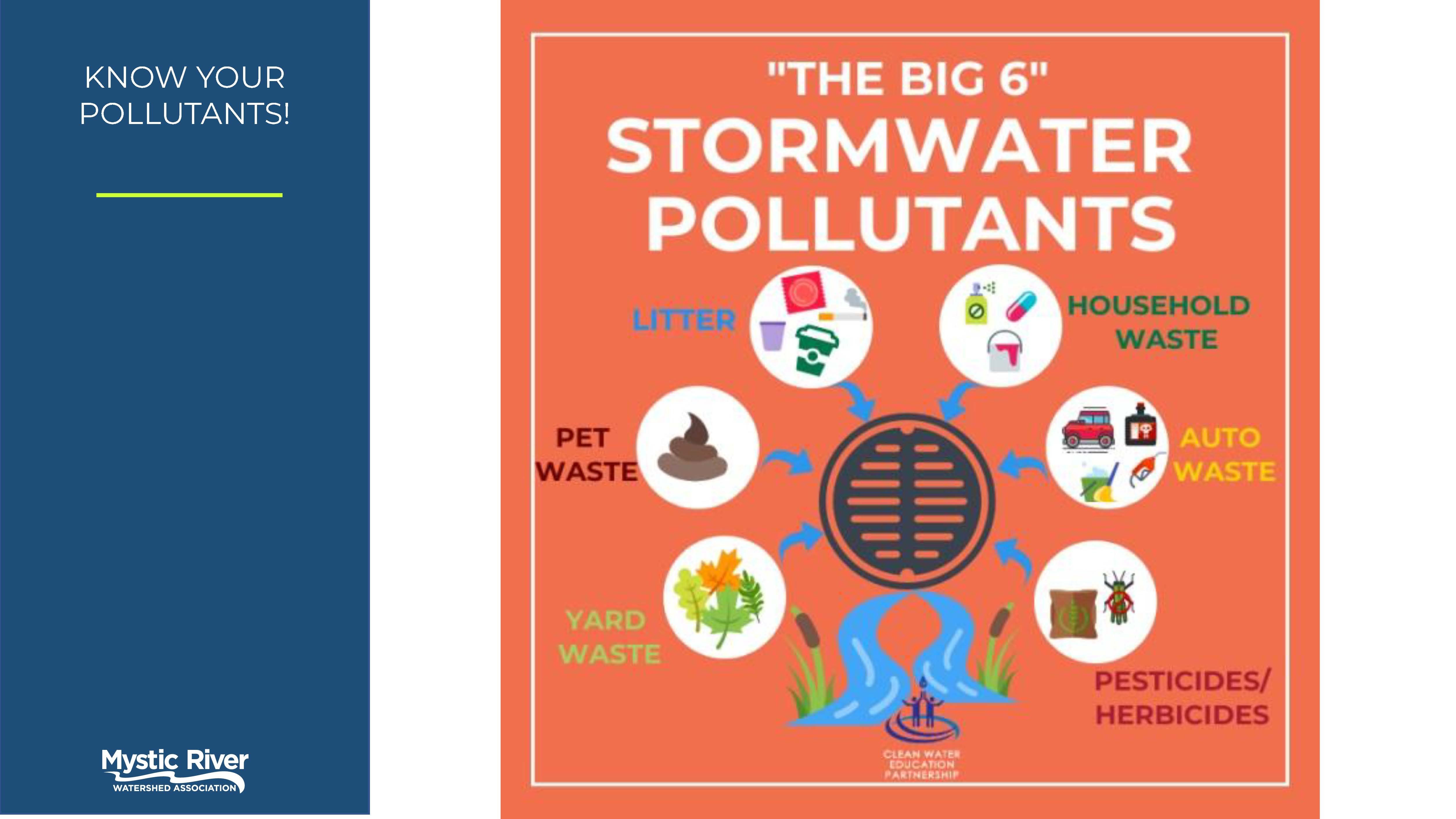
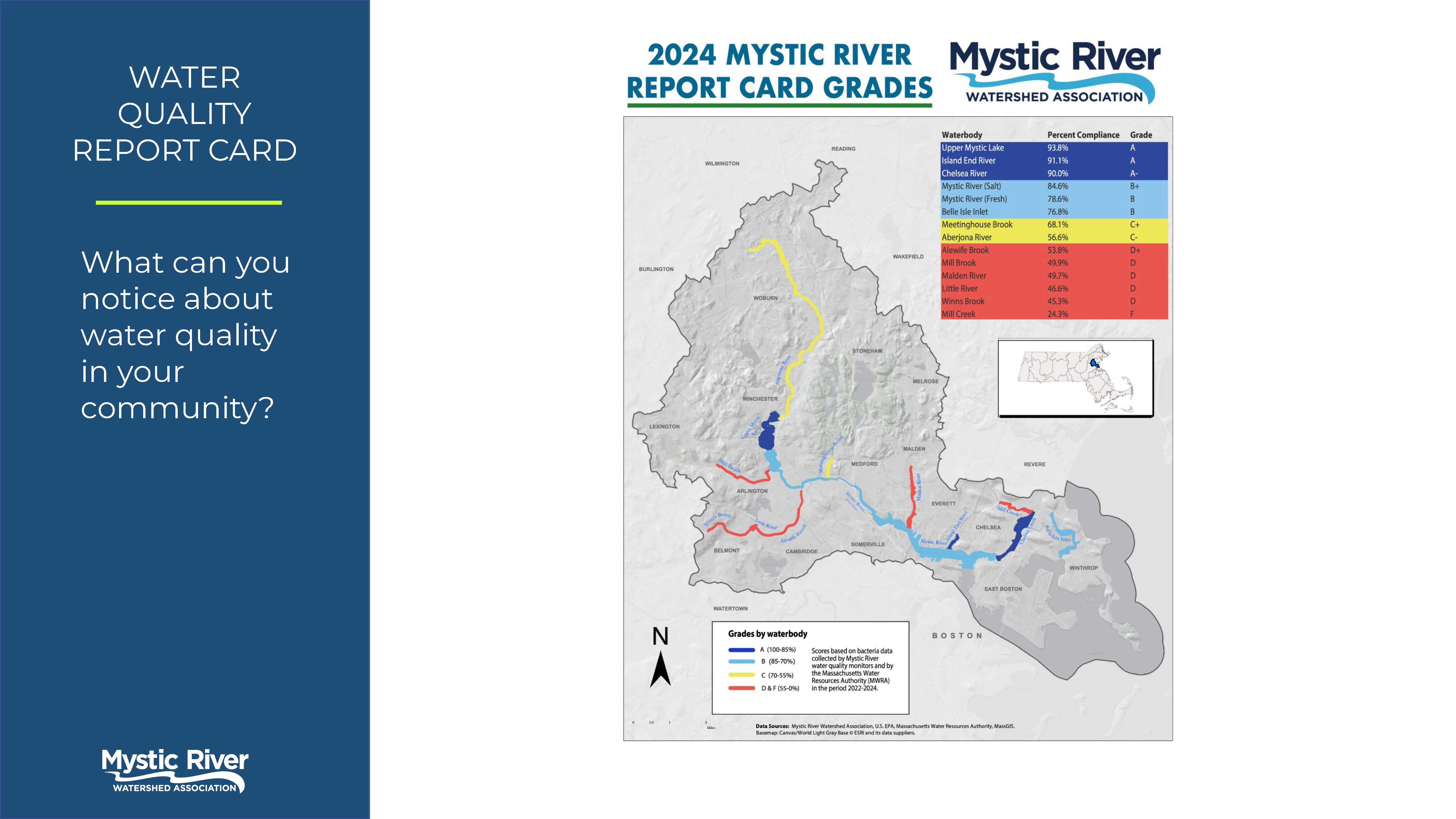
Longer term, the water flowing into Malden’s catch basins travels directly into waterways, including the Malden and Mystic Rivers. Runoff isn’t treated at a wastewater plant, meaning litter, leaves, dirt and dog waste that goes down the drain ends up in our local ecosystem. Organic debris introduces harmful bacteria and phosphorus, which can feed algae. Bacteria and parasites found in pet waste, such as Giardia and Cryptosporidium, can survive for long periods on the ground and be washed into rivers and ponds, while plastics degrade and eventually end up in drinking water.
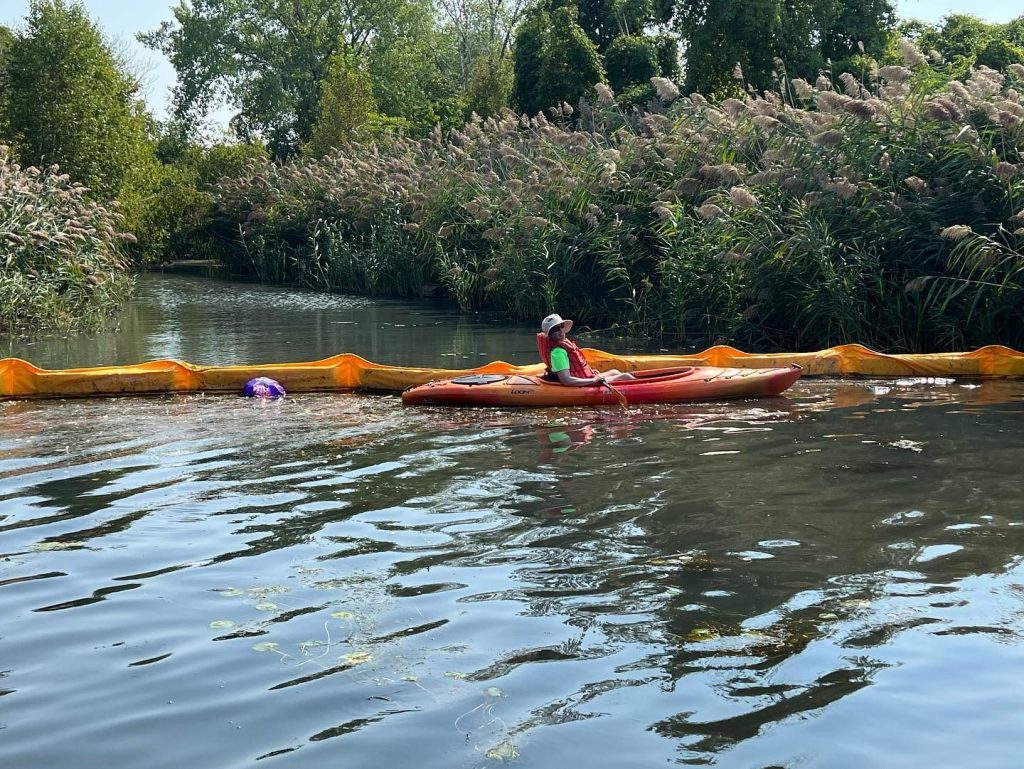
“The Malden River is healing with the help of our community,” said Karen Buck, president of the Friends of the Malden River. “The Malden River trash trap proves to be an important barrier to a significant amount of debris and litter that is swept through Malden’s storm water system. Users of the Malden River note that there is less trash. But, street litter continues to be a plague. When people engage with our local environment through stewardship events, they become better stewards of the planet and role models for others.”
To foster that stewardship, the city asks volunteers to spend 15 minutes twice a month sweeping leaves, trash, and other debris off their adopted drain’s surface. Participants are especially encouraged to check “their” drains before and after heavy rain, wind or snowstorms — or after a sunny day has melted snowpack.
Safety is paramount: Volunteers are asked to sign a liability waiver, work from the sidewalk to avoid traffic, wear gloves and use tools like rakes and brooms, never attempt to remove the drain grate and sort collected materials into appropriate garbage, recycling or yard waste bins. Volunteers can also log into an online portal and note the amount of debris they collected to help program leaders gauge success and impact.
Getting involved is simple. Just visit the website, register, search for an address near you on the interactive map and claim an available drain. Residents can adopt as many drains as they like and get creative on naming rights.
Suggestion: Grate Expectations as we look forward to warmer days and a clean river for recreation.
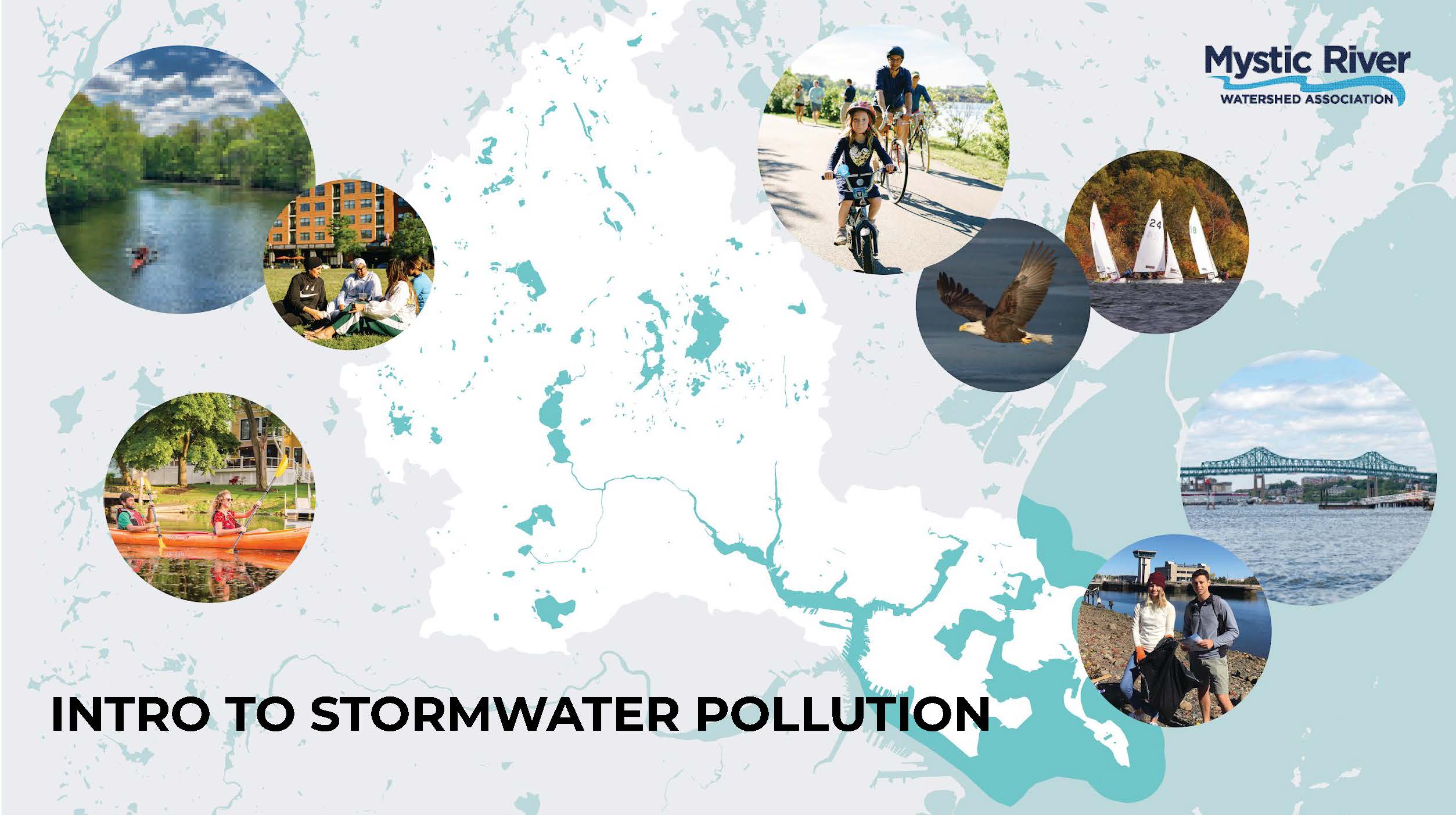
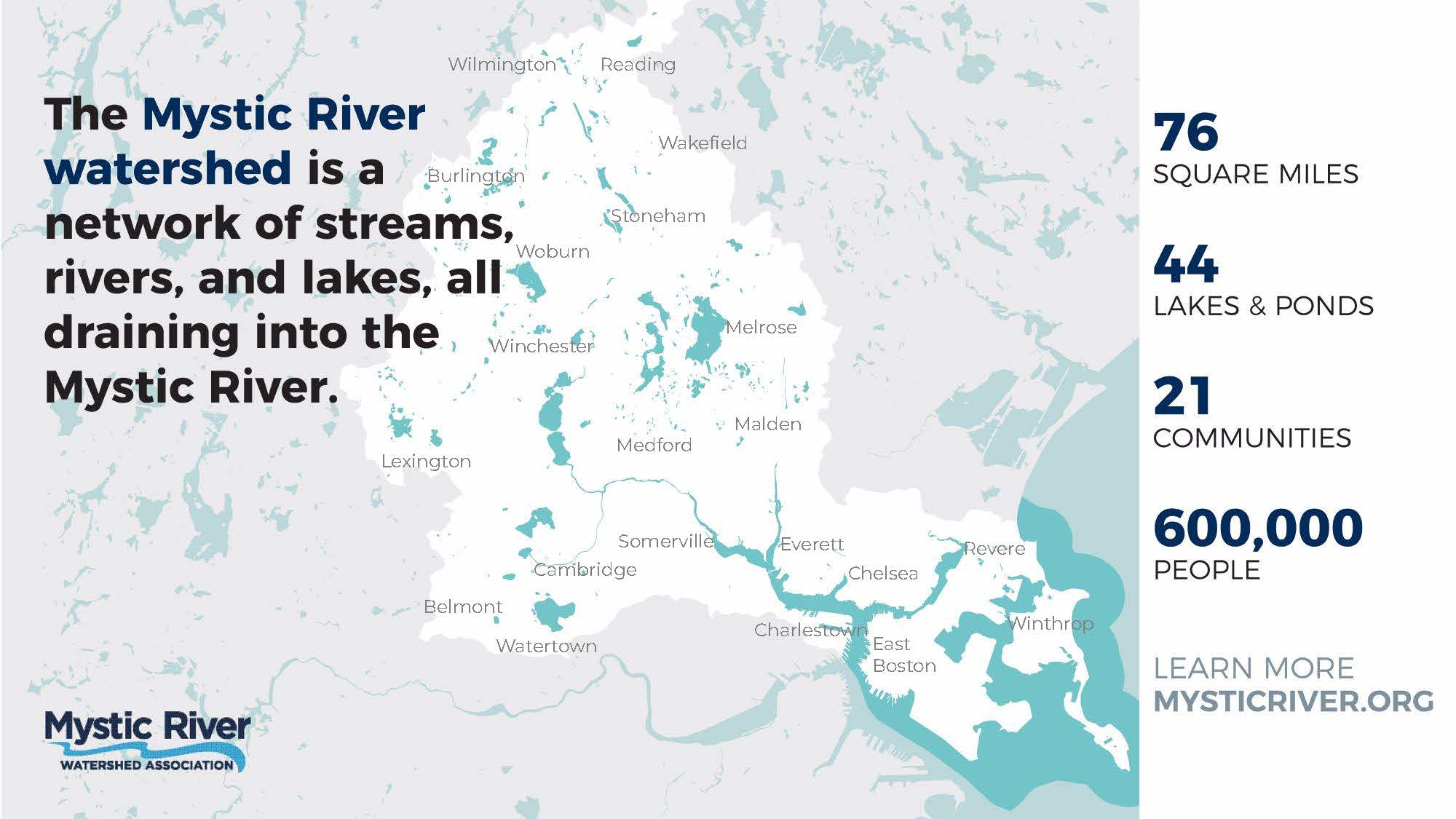
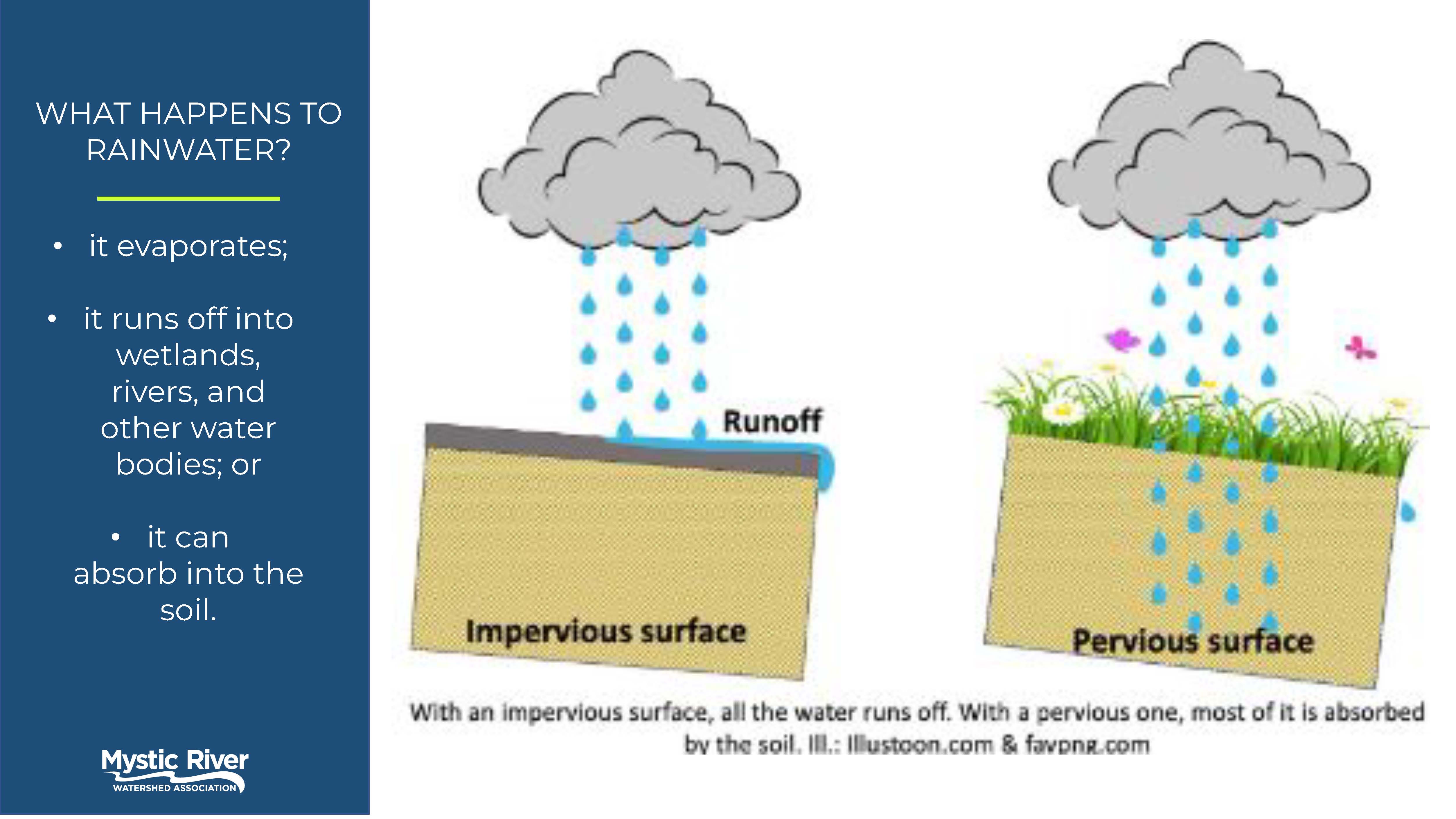
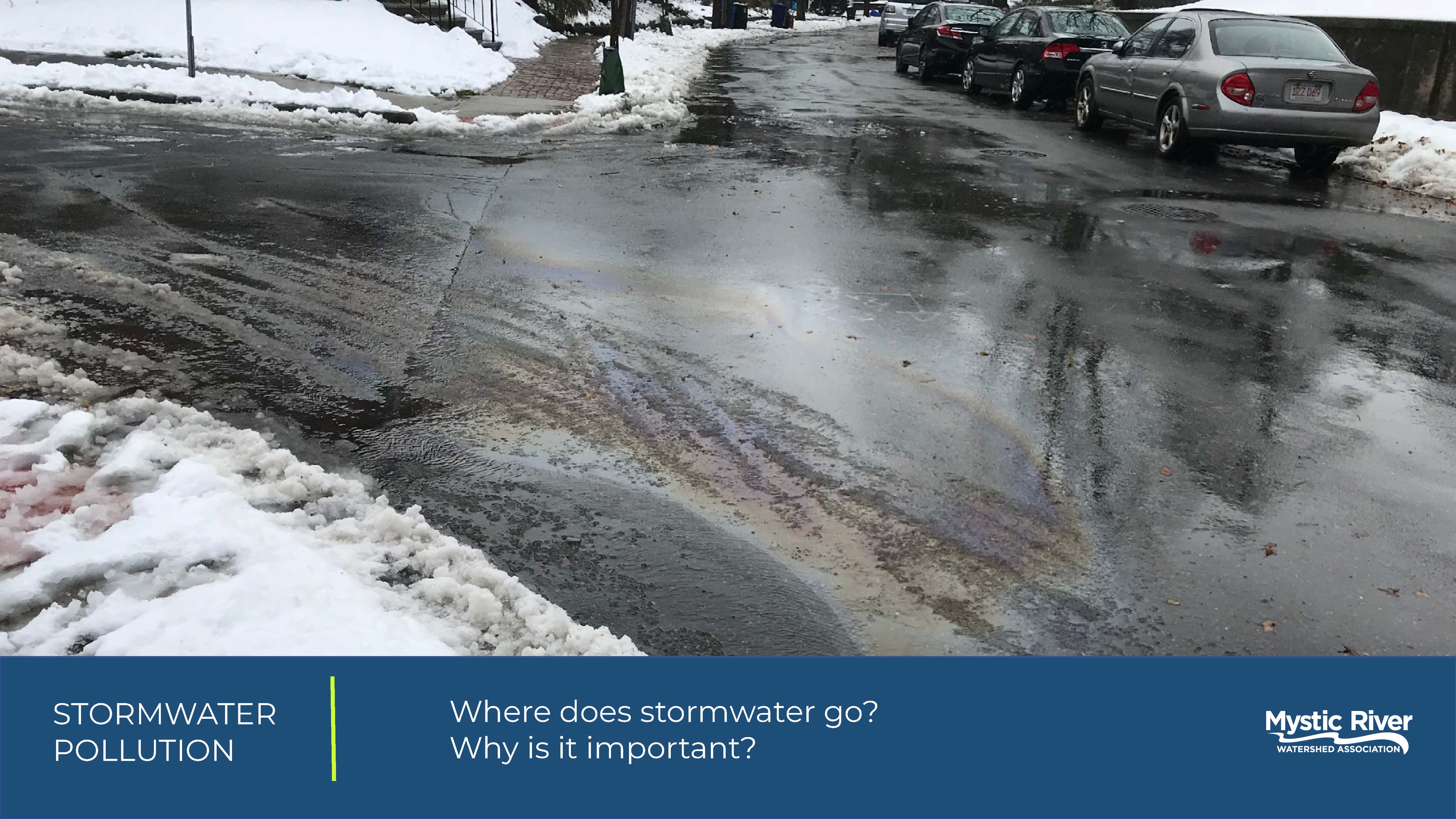
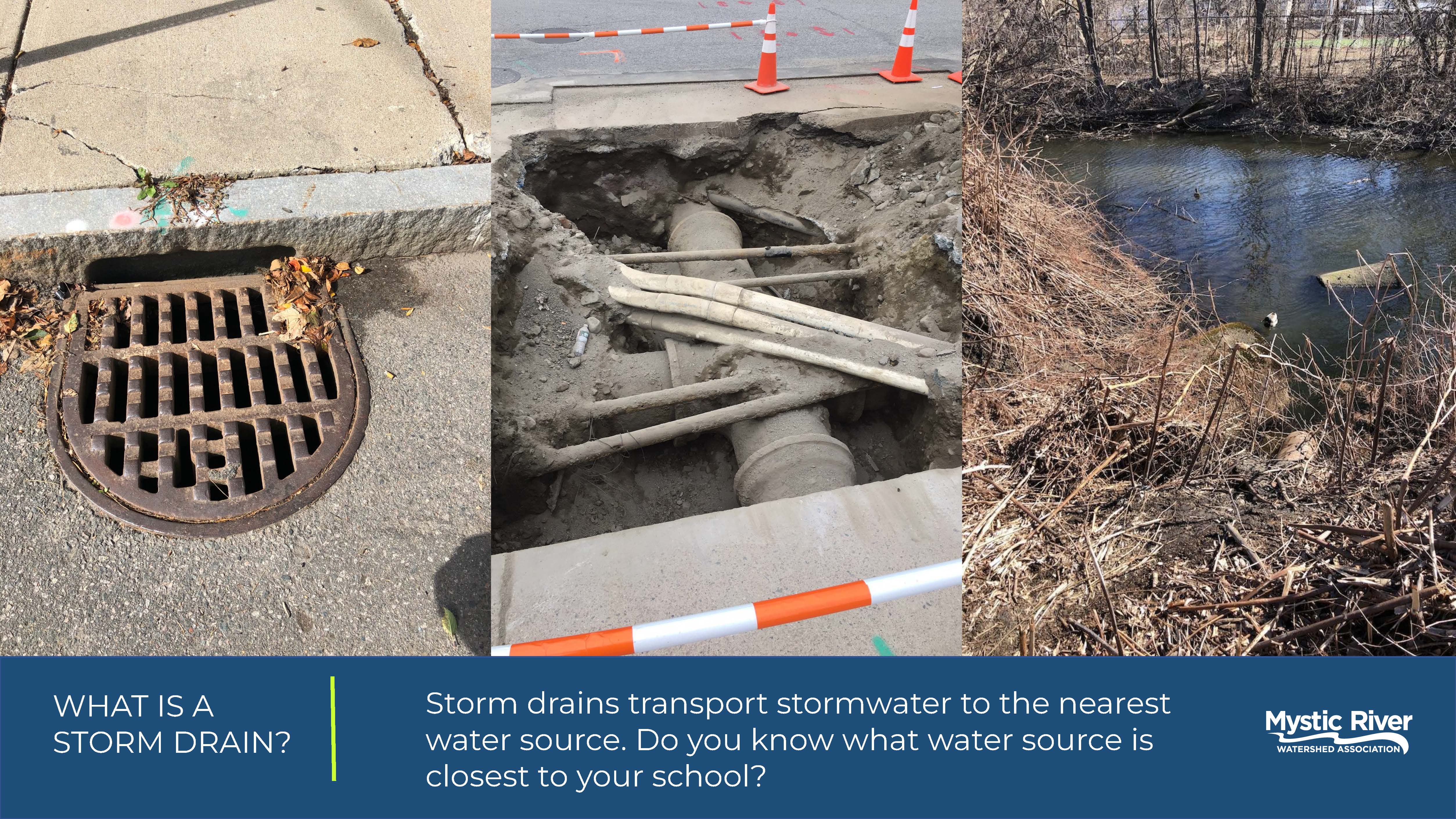
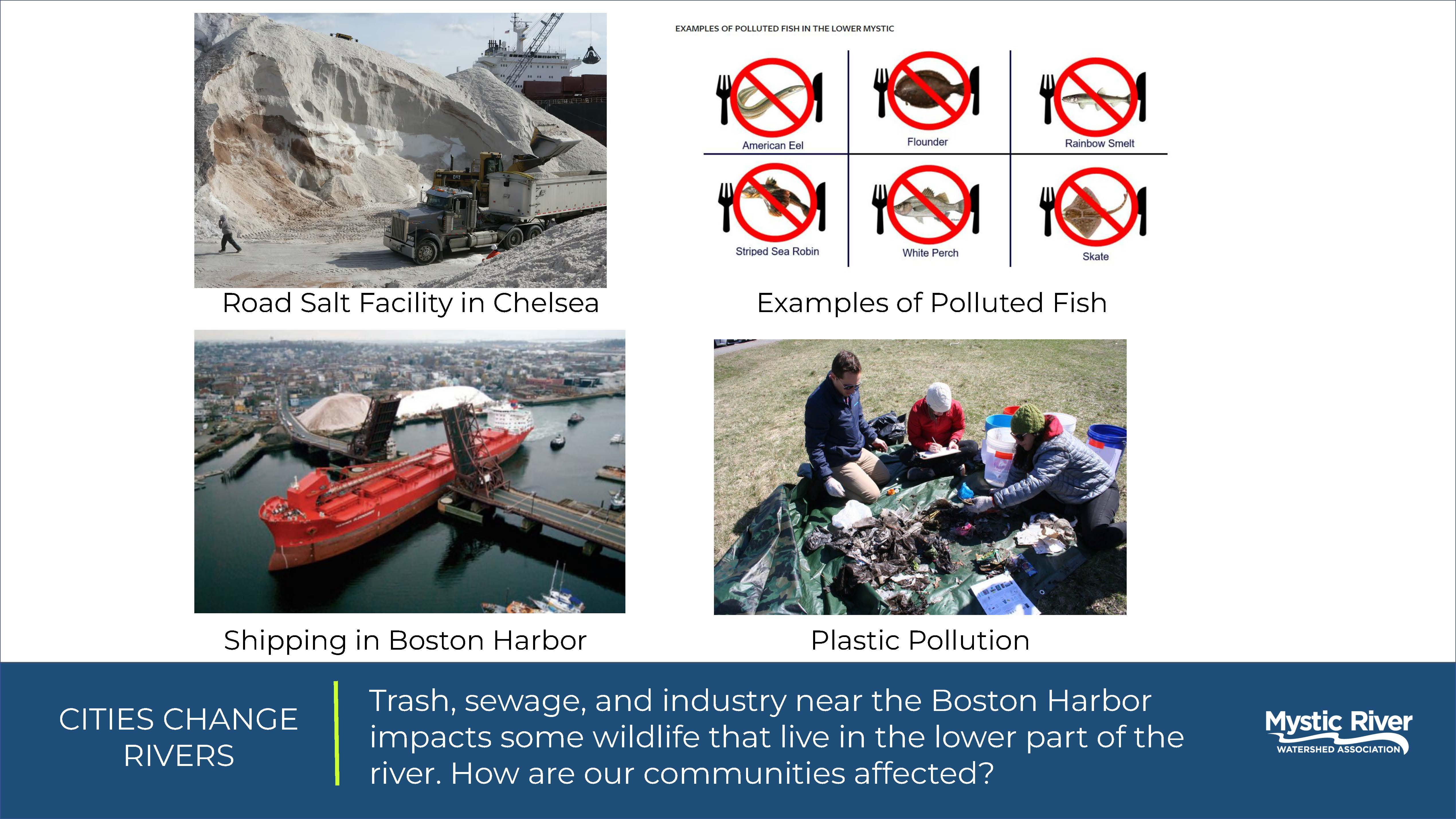
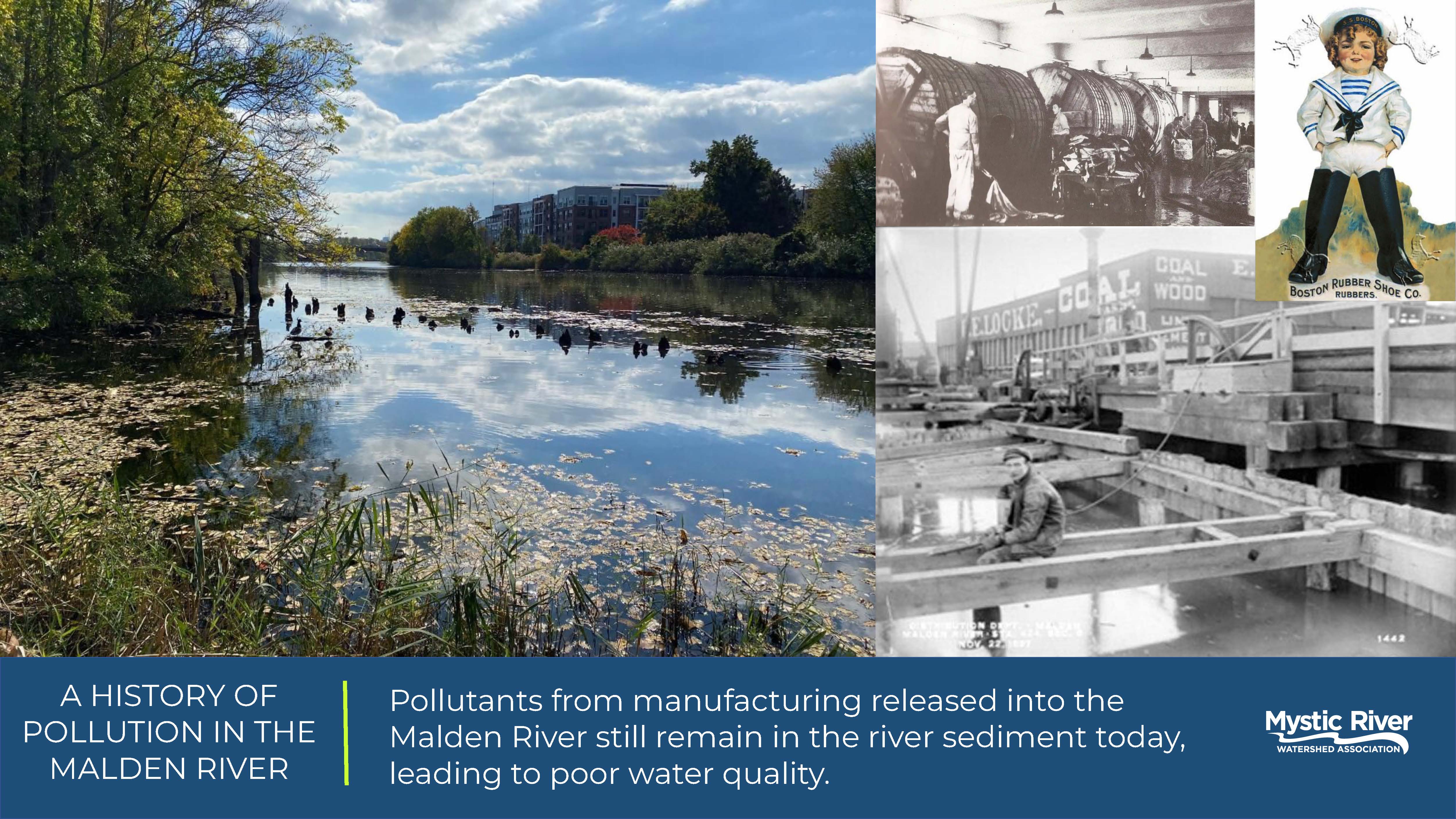
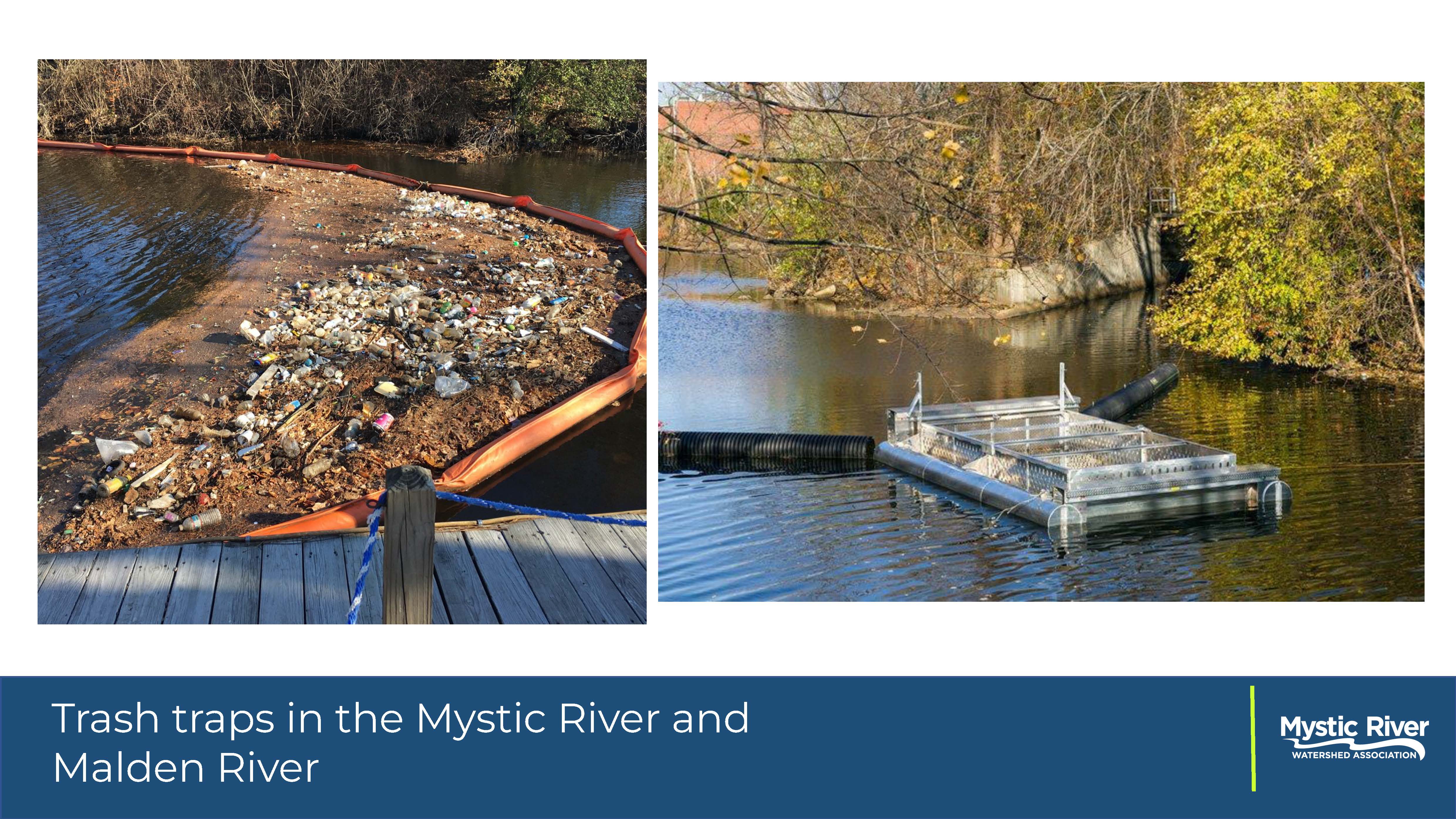
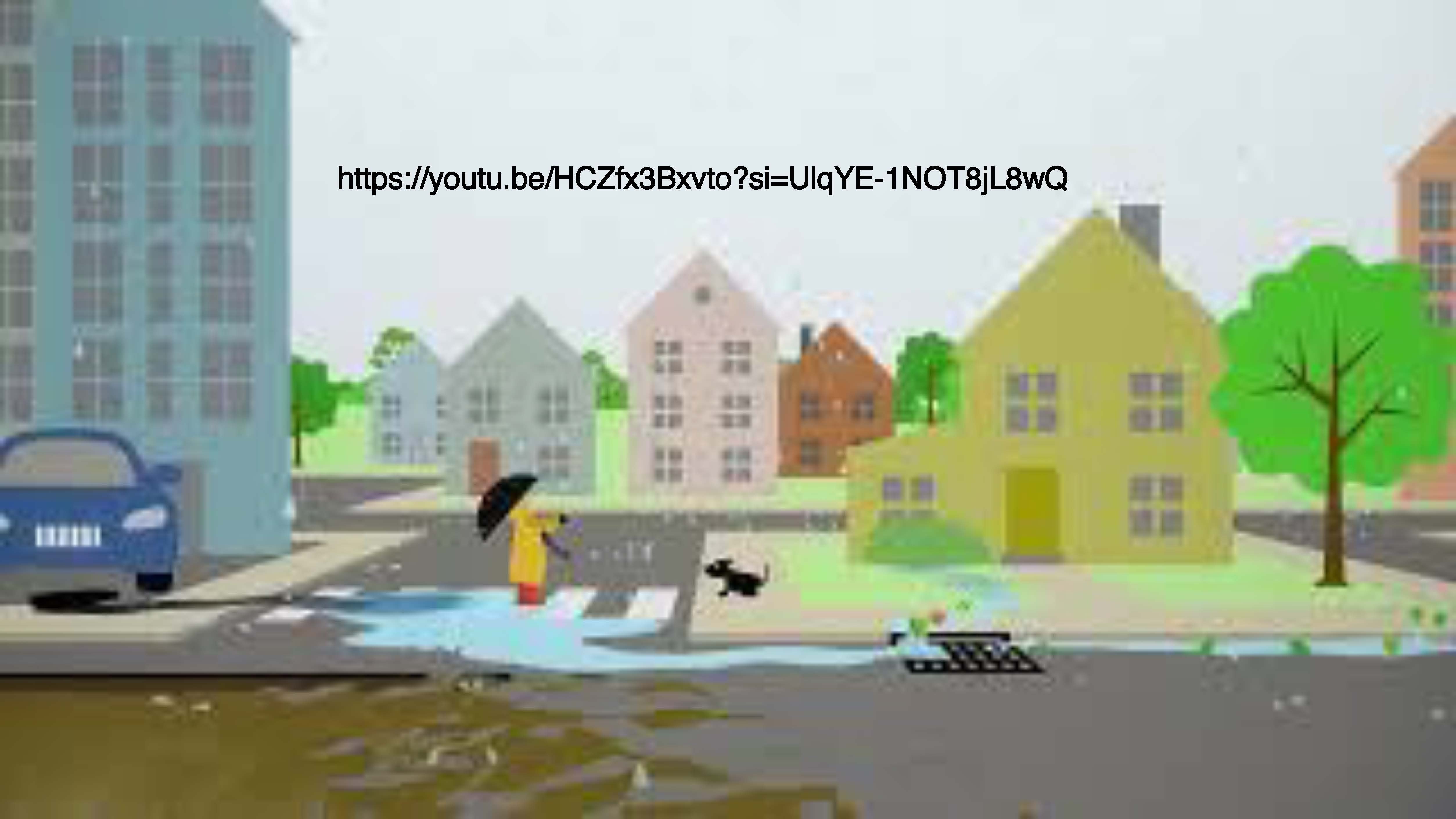
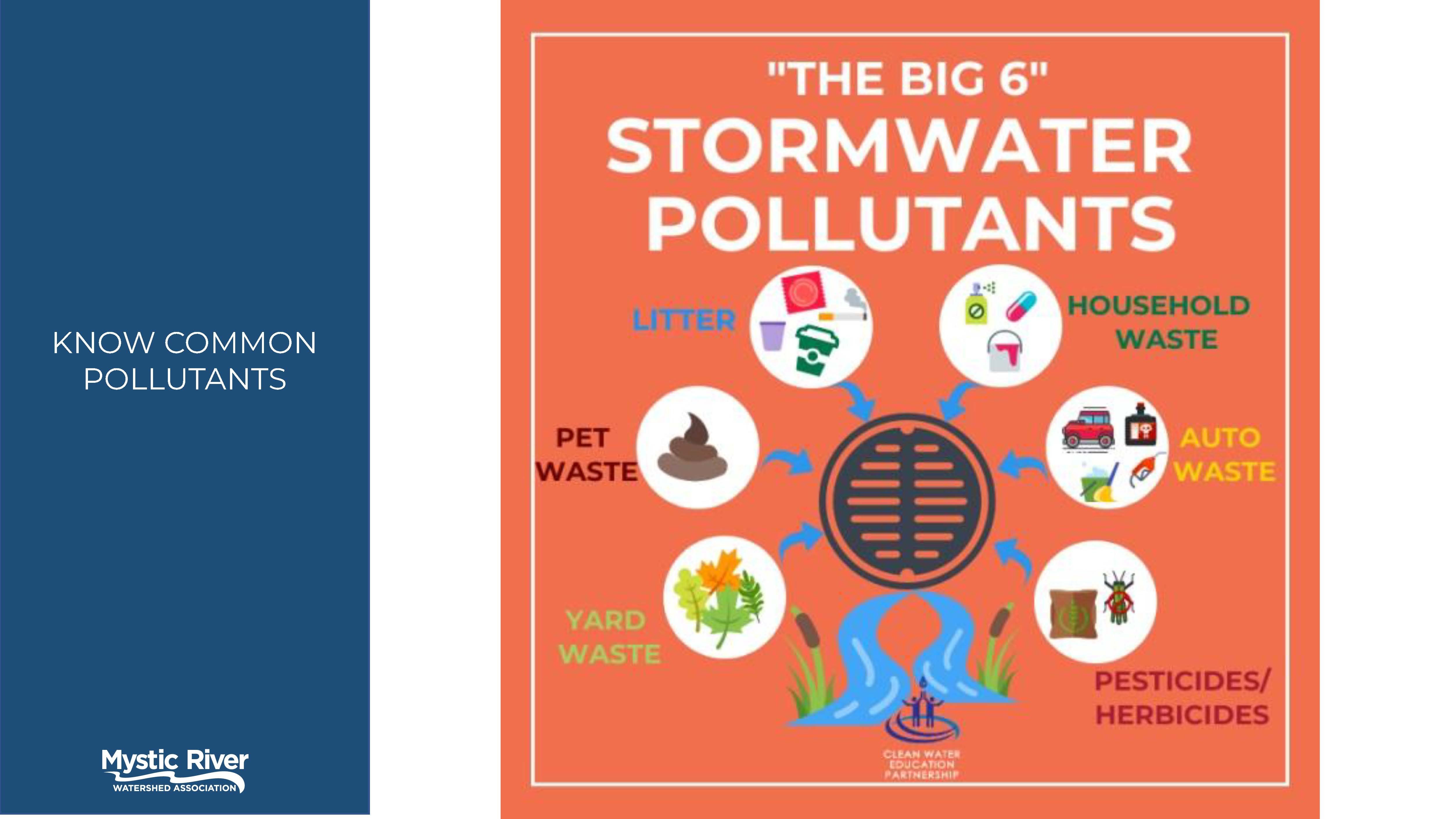
Want to learn more? The Mystic River Watershed Association, or MyRWA, offers a newsletter and educational materials, including this presentation on stormwater pollution created for K-5 students.


Be the first to comment